
Partner · Education
Smithsonian Science Education Center
Brings museum educators and youth ambassadors from NESST, and will receive classroom-ready educational materials developed from the discussions.
Inaugural event · Science Café series
A 90-minute experience room where youth ambassadors, scientists, researchers and museum educators sit at the same table to ask how artificial intelligence is reshaping the way we learn, work and decide.
01 · About the café
A Science Café is a space where curious people come together to talk about science. This inaugural edition focuses on one of the most consequential questions of our time: how artificial intelligence and society shape each other.
Rather than a panel of experts speaking to an audience, everyone participates. Short introductory remarks set the scene, then participants move into small groups to explore prompted questions — bringing together the perspectives of young people, working scientists, university researchers and museum educators.
With participants' consent, what's said in the room becomes something lasting: educational materials for the Smithsonian Science Education Center and a public recap for the SciComm Initiative.
Brings museum educators and youth ambassadors from NESST, and will receive classroom-ready educational materials developed from the discussions.
Hosts the Science Café series and will publish a blog post recapping the conversation for those who couldn't attend.
The George Washington University's Department of Mechanical & Aerospace Engineering hosts the event and brings academic researchers to the table.
02 · Conveners
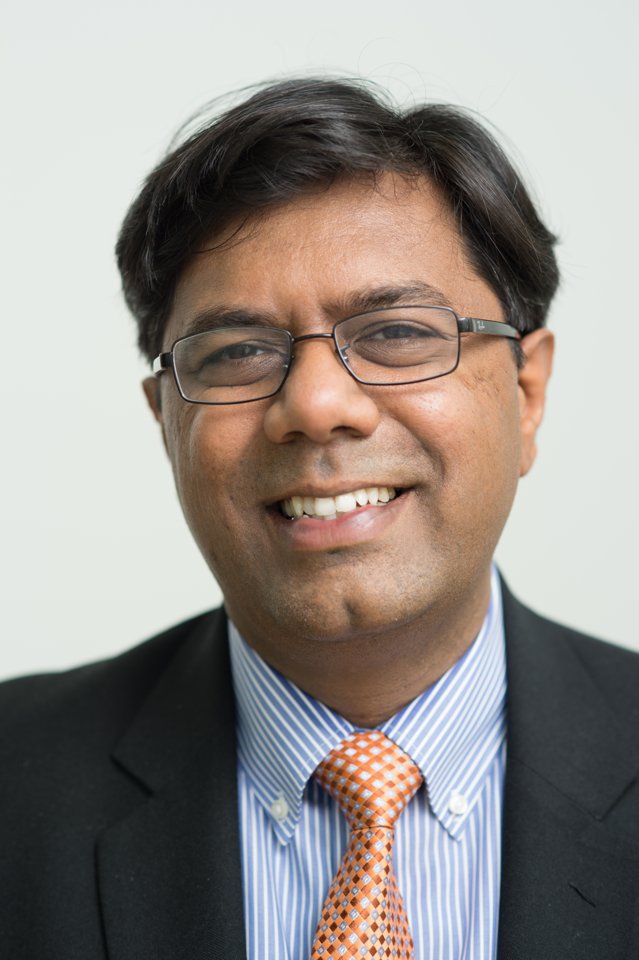
Associate Research Professor
Department of Mechanical & Aerospace Engineering, The George Washington University
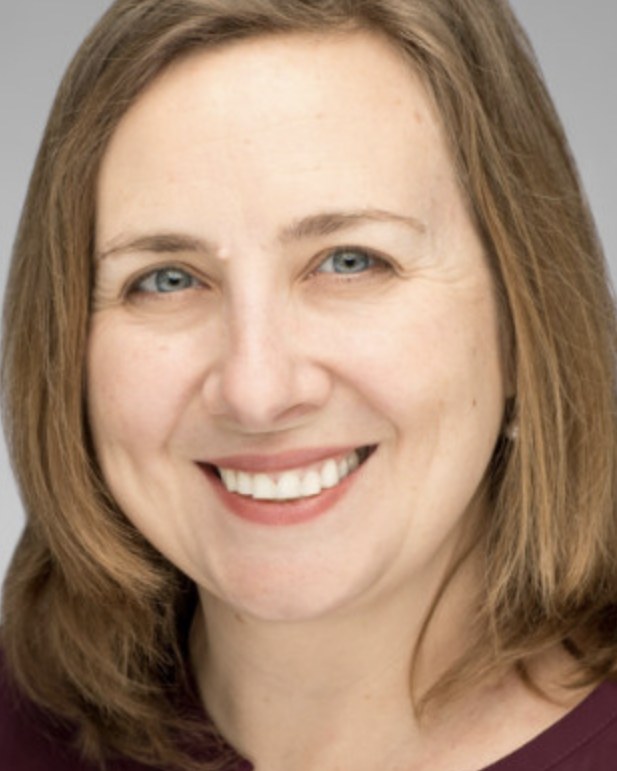
Manager, Global Sustainability Series
03 · Who's in the room
Each small group mixes perspectives on purpose, so a high-school student and a researcher may find themselves answering the same question.
Young people who will live longest with the choices being made about AI today.
Practicing scientists who translate research for the public and use AI in their work.
Faculty and researchers from The George Washington University studying and building intelligent systems.
K-12 Educators who turn big ideas into learning experiences for classrooms and communities.
04 · The experience room
Brief introductory remarks frame why AI and society matters now, and what we hope to learn together.
Participants split into mixed groups of four to five, each with a facilitator and a set of prompted questions.
Each group reports its sharpest insight and its biggest open question back to the full room.
Participants choose whether and how their contributions are shared in the educational materials and blog post.
05 · Agenda
Proposed timing; final schedule to be confirmed.
06 · Introductory remarks
Framing question for the afternoon: what do we want AI to do for society, and who gets to decide?
07 · Discussion details
Draft themes for facilitators. Each table takes one theme per round; there are no wrong answers.
08 · Targeted outcomes
Discussion guides and learning resources developed from the room's questions and insights, for the Smithsonian Science Education Center.
For: SSEC educators & classroomsA public recap of the conversation so people who couldn't attend can follow along and keep the discussion going.
For: the SciComm Initiative communityThis site will host highlights, shared quotes and resources after the event, and seed topics for future cafés.
For: participants & the publicNothing said in the room is published without consent. At the close of the café, each participant chooses how their contributions may be used.
09 · Join us
This inaugural café is limited to 20 invited participants so every voice can be heard. If you're part of one of our partner communities and would like to take part, let us know.
Free to attend. Participants under 18 will need a parent or guardian's permission.
Tell us who you are and how you'd like to take part. The organizers will follow up by email with confirmation and event details.
Open the registration form Opens Microsoft Forms in a new tab